
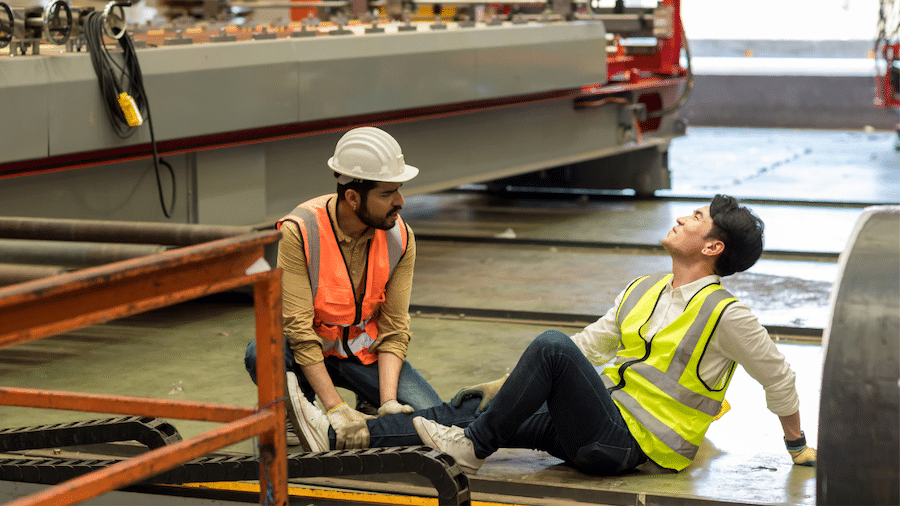
Did you know that workplace injuries cost U.S. businesses more than $167 billion every year, according to the National Safety Council?
In industries like manufacturing, light industrial, and warehousing—where heavy equipment and fast-paced environments are the norm—one small oversight can lead to serious accidents.
For employers, this doesn’t just mean costly claims and downtime, but also a real risk to employee well-being.
This article explores how implementing comprehensive safety training programs can significantly reduce accidents, protect workers, and keep your operation in full compliance with safety regulations.

Why Safety Training Should Be Non-Negotiable
Picture this: a new hire is operating a forklift after only a brief walkthrough. Without knowing the right load capacity or safe maneuvering practices, it’s only a matter of time before something goes wrong. Safety training prevents accidents like these by giving workers the knowledge and confidence to handle equipment, tools, and procedures safely.
When employees are trained, they don’t just protect themselves—they also protect their coworkers, your equipment, and your business’s bottom line.
TIP: For Connecticut employers, CONN-OSHA offers useful safety fact sheets and training programs that can serve as a starting point for developing company-wide training.
The Benefits of Effective Safety Training Programs
- Reduced Accidents and Injuries – Proper training ensures workers know how to identify hazards, use protective gear, and follow safe procedures. That means fewer slips, falls, strains, and equipment accidents.
- Regulatory Compliance – OSHA regulations are strict—and for good reason. Regular training helps your team stay compliant, avoiding fines and potential shutdowns.
TIP: If you’re in Western Massachusetts, the Massachusetts Coalition for Occupational Safety and Health (MassCOSH) provides resources and guidance for employers looking to stay ahead of compliance requirements. - Higher Employee Morale – When workers feel safe, they feel valued. A strong safety program shows employees that their well-being matters, which improves retention and job satisfaction.
- Increased Productivity – Accidents lead to downtime. Safety training keeps operations running smoothly by minimizing disruptions. The Connecticut Business & Industry Association (CBIA) frequently shares articles and case studies that highlight how a culture of safety boosts both morale and productivity.
Key Safety Training Every Team Needs
- Personal Protective Equipment (PPE): From safety goggles to steel-toed boots, knowing when and how to use PPE is essential.
- Emergency Response Training: Workers should know evacuation routes, fire extinguisher use, and first aid basics.
- Ergonomics and Safe Lifting: Teaching proper posture and lifting techniques prevents long-term injuries.
TIP: The UMass Amherst Environmental Health & Safety office provides ergonomic training materials that small employers can adapt for their teams.
IF YOU NEED TO RAISE YOUR VOICE TO SPEAK TO SOMEONE 3 FEET AWAY (OR LESS) AT WORK, NOISE LEVELS ARE PROBABLY OVER 85 DECIBELS AND YOU NEED HEARING PROTECTION. https://t.co/al4XxctL1D pic.twitter.com/wZuduzsBZC
— OSHA_DOL (@OSHA_DOL) February 12, 2024
How to Implement Safety Training That Sticks
It’s not enough to hold one training session and call it done. Effective programs require repetition, engagement, and accountability. Try these strategies:
- Start with onboarding: Make safety training the very first step for new hires.
- Offer regular refreshers: Monthly or quarterly sessions keep knowledge fresh.
- Make it interactive: Use real-life scenarios, demonstrations, and Q&A instead of dry lectures.
- Track compliance: Keep records of who has completed which training sessions.
- Empower safety champions: Designate team members to reinforce safe practices on the floor.
Your Next Steps
Effective safety training isn’t just about compliance—it’s about creating a safer, more productive workplace for everyone. By investing in your team’s safety knowledge, you’re reducing accidents, protecting your bottom line, and showing your employees you care about their well-being.
Recap:
- Training reduces injuries, downtime, and costs.
- Compliance avoids fines and protects operations.
- Workers feel valued, leading to higher morale and retention.
Whether it’s launching refresher sessions, updating PPE training, or designating a safety champion, take one step toward a safer environment.
And if you’re ready to build a stronger, safer team, partner with Hamilton Connection. We’ll help connect you with skilled, safety-conscious workers who keep your operations running smoothly.